Article Contents

Powering Mission-Critical Equipment On The Go
For over 50 years, Harrison Hydra-Gen has been building mobile power solutions for some of the most demanding applications in the world.
Founded in 1969, the Houston-based manufacturer specializes in mobile power systems for heavy-duty commercial vehicles, including emergency vehicles, aerial work platforms, paving equipment, oil and gas applications, marine applications, military equipment, and more. Harrison Hydra-Gen’s hydraulic generators provide power where traditional electrical infrastructure isn’t available, giving a vehicle its own power source wherever the job takes it.

"Any commercial vehicle carrying equipment that requires electrical power needs a way to generate that power at the job site, especially when there’s no outlet available. Providing that onboard power has been our bread and butter since 1969."
Luis Betancourt, Marketing Lead & Lead Developer, Harrison Hydra-Gen
Harrison Hydra-Gen is expanding that mission with hPower, a battery power system designed to keep vehicles operating without keeping their engines running. hPower can provide power while an ambulance or emergency vehicle is moving and stationary, allowing crews to shut down the engine while continuing to operate critical onboard equipment. That means less idling, reduced fuel consumption and engine wear, lower emissions, and longer vehicle life.
But hPower isn’t simply a battery sitting inside a vehicle. It’s a connected system that generates a steady stream of operational data, and that connectivity has become an important part of how Harrison Hydra-Gen supports its customers.
From Mobile Power to Intelligent Power
Harrison Hydra-Gen’s traditional hydraulic generators are designed for vehicles that need significant amounts of power while working in the field. An aerial work platform, for example, may be hundreds of feet in the air while workers use welding equipment and other tools. A paving machine needs power for electric heaters to lay pavement on a road construction site. Fire apparatus can require substantial onboard electrical power while operating at an emergency scene or command post.
Harrison Hydra-Gen’s newer hPower technology addresses a different, but closely related problem.
Emergency vehicles, particularly ambulances, can spend enormous amounts of time stationary idling while still needing their electrical systems fully operational. Crews may be treating patients at a scene, staging at a standby event, or waiting at a hospital, all while maintaining climate control systems and temperature-controlled refrigerators for medications or blood products..
Traditionally, keeping those systems running meant keeping the vehicle engine running from the time the truck left the station to when it came back.
For Tanner Jacob, Harrison Hydra-Gen’s Product Designer (and a district chief paramedic with more than two decades of EMS experience) the problem is especially familiar.
“Our vehicles were going out of warranty by hours before they were miles.”
As ambulance technology and the scope of emergency medical care have evolved, vehicles can spend more and more time idling. That creates a significant operational burden for fleets through fuel consumption, engine wear, maintenance, emissions, and vehicle downtime. Not to mention the enormous pounds of CO2 produced while idling.
Harrison Hydra-Gen designed hPower to change that equation.
The battery system allows an ambulance chassis to automatically shut down its engine while continuing to provide power for its onboard systems. hPower reduces idle time, fuel consumption, and maintenance costs while helping fleets extend the useful life of their vehicles.
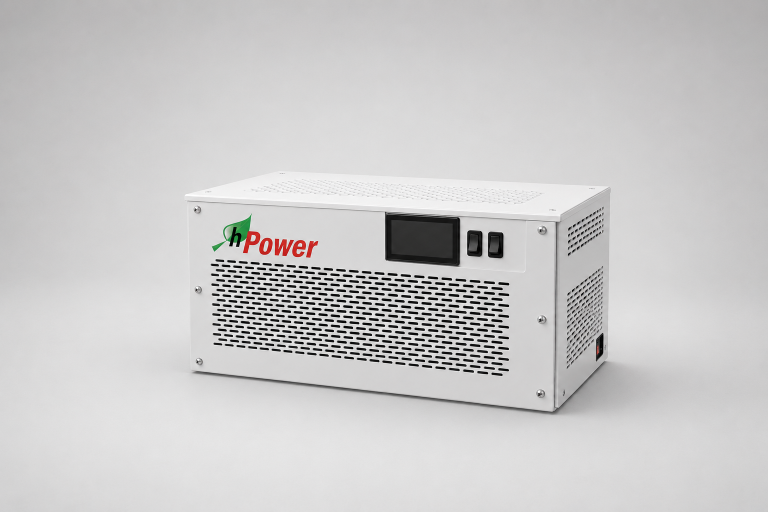
hPower also enables Emergency Start functionality, which allows an ambulance to start using the hPower system when the normal battery cannot start the vehicle.
That capability can be particularly valuable for large emergency-service fleets.
“We’re paying for our system three times in the course of the life of the module; what else do you have that’s paid for itself three times on an ambulance?”
Tanner Jacob, Product Designer, Harrison Hydra-Gen
And for Harrison Hydra-Gen, that was only the beginning.
The Connectivity Challenge:
Seeing What Happens in the Field
As Harrison Hydra-Gen began deploying hPower systems, the company quickly realized that the physical system was only part of the solution.
The first units were shipped without cellular connectivity. If a customer had a question or needed to retrieve information from the system, someone would have to connect to the unit locally (often using a hotspot) and download the data.
That process wasn’t practical at scale.
After the first 15–20 units, Harrison Hydra-Gen’s team recognized that they needed another way.
“We’ve got to put connectivity in these things so we can see them live and we can see what’s going on and we can predict things before anything happens.”
Tanner Jacob, Product Designer, Harrison Hydra-Gen
Harrison Hydra-Gen needed visibility into the systems it was putting into the field.
It also uncovered an unexpected challenge.
The Infrastructure Problem
Harrison Hydra-Gen discovered that some customer facilities didn’t have the electrical infrastructure needed to properly support the demands of a modern ambulance equipped with hPower.
The issue wasn’t necessarily with hPower. The problem was often the infrastructure the ambulance was plugged into.
Without connectivity, diagnosing that distinction proved to be difficult and time-consuming.
With connectivity, Harrison could monitor the vehicle as it went into service, observe where it was operating, see what it was plugged into, and proactively identify problems before the customer had to call.
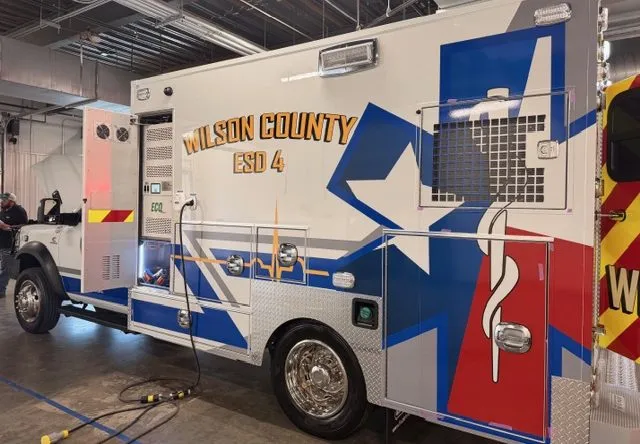
“We’re watching that truck to see where they’re going, where they’re plugging into, and how that infrastructure looks. And if there’s a problem, then we’re addressing it on the front side.”
Tanner Jacob, Product Designer, Harrison Hydra-Gen
That shift, from reacting to problems to proactively identifying them, has become one of the most important benefits of connecting hPower.
Why SIMETRY?
Harrison Hydra-Gen initially used a major connectivity provider directly for its hPower deployments. While the service worked, managing the account became increasingly difficult as the number of connected units grew.
The data requirements were relatively small, roughly 300 MB per device per month, but the administrative overhead wasn’t.
Harrison needed an IoT connectivity solution that could support a cost-sensitive hardware deployment while making it easier to provision and manage devices.
According to Tanner, the previous process involved complicated provisioning and recurring account credits to accommodate the company’s actual data requirements. Managing individual devices could also require multiple steps through the carrier’s portal.
SIMETRY offered a simpler alternative.
With SIMETRY, Harrison Hydra-Gen gained a centralized platform for managing its connected devices, along with IoT-specific support for provisioning, troubleshooting, and ongoing service.
“The portal for SIMETRY has been totally, totally different and made it easy for us to manage this stuff.”
Tanner Jacob, Product Designer, Harrison Hydra-Gen
For Harrison Hydra-Gen, that simplicity matters. Connectivity is included with the hPower product for an initial period, after which customers can subscribe for continued access to their data and monitoring capabilities. Harrison Hydra-Gen continues to maintain visibility into the systems on the backend, allowing its team to monitor connected units and identify potential issues.
The connectivity itself doesn’t need to consume huge amounts of bandwidth.
It just needs to be reliable, manageable, and there when Harrison Hydra-Gen needs the data.
Connectivity Turns hPower Into a Proactive Support Tool
Today, connectivity is deeply integrated into how Harrison Hydra-Gen manages its hPower deployments.
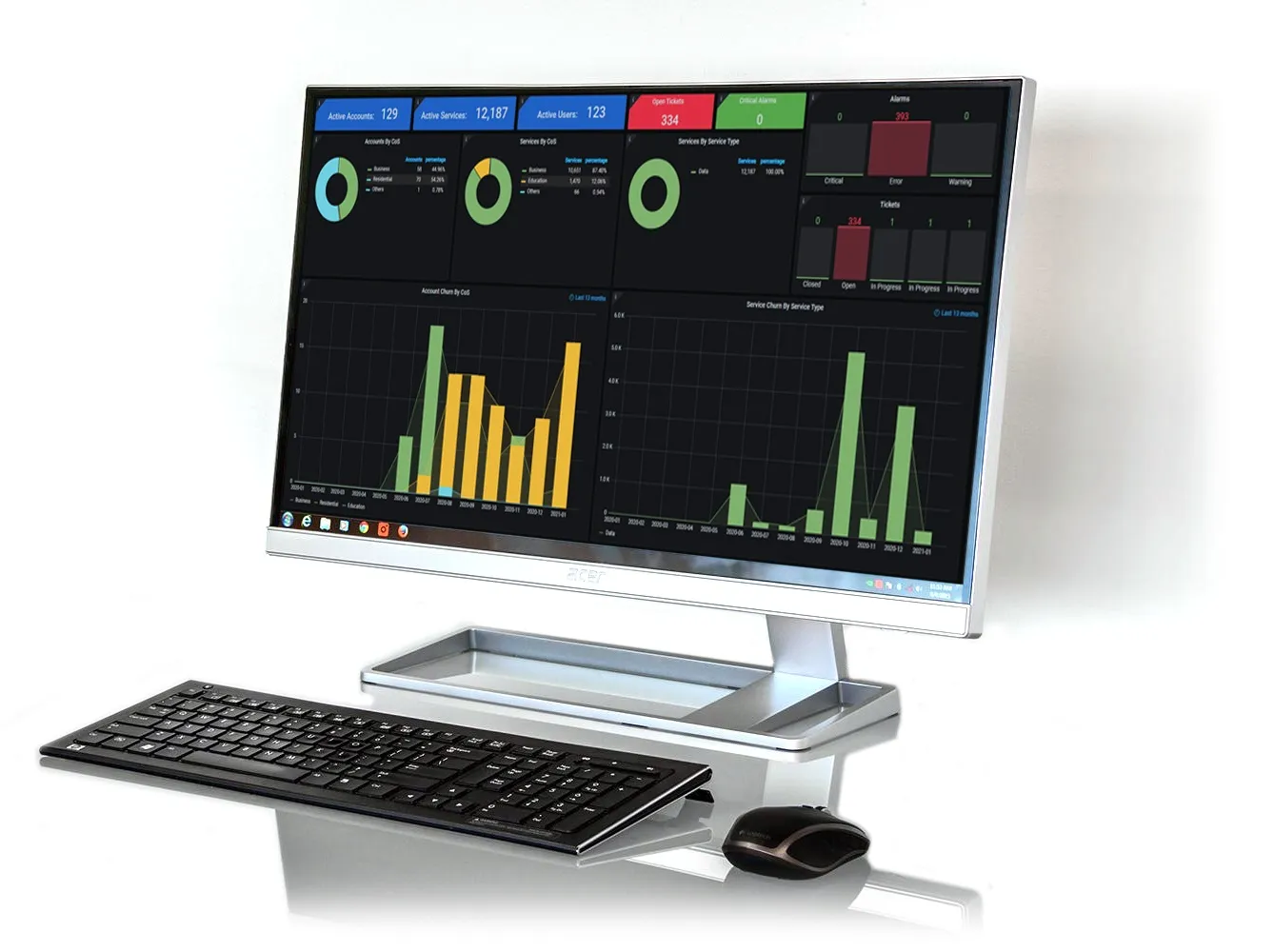
The company monitors connected units for alarms and system conditions, including battery health and inverter issues, temperature conditions, shoreline and chassis charging problems, and other potential issues. The team also monitors active alarms and connected vehicles.
Harrison Hydra-Gen’s monitoring capabilities help its team understand what’s happening before a problem becomes a larger operational issue.
That visibility simply wouldn’t exist without connectivity.

And that is the key distinction: SIMETRY isn’t just connecting a modem. It’s helping Harrison Hydra-Gen turn a physical power system into a connected, monitorable product.
A Connectivity Partner, Not Just a Connectivity Provider
For Tanner, one of the biggest differences between SIMETRY and previous connectivity providers isn’t necessarily the network itself. It’s the people behind it.
Early in the deployment, the SIMETRY team worked directly with Tanner and Harrison Hydra-Gen to ensure everything was working as expected and the deployment stayed on track.
That experience reinforced something Harrison Hydra-Gen values: access to people who take ownership and stay engaged.
Tanner works directly with multiple members of the SIMETRY team, including account management, engineering, hardware, and support.
His description of the relationship gets to the heart of what SIMETRY strives to provide:
“You’re dealing with regular people. And they want it to work for you, and they don’t stop until it is.”
Tanner Jacob, Product Designer, Harrison Hydra-Gen
For Harrison Hydra-Gen, that relationship is valuable as hPower continues to evolve.
Tanner goes on to give kudos to his SIMETRY account manager, Cristina, and the SIMETRY support team:
“I know that if Cristina is out, somebody else is going to fix the problem. And if Cristina doesn’t know the answer, she’s going to get with somebody. And it’s unique.”
Tanner Jacob, Product Designer, Harrison Hydra-Gen
Having a connectivity partner that understands the IoT side of the equation, and is willing to work through the details, gives Harrison Hydra-Gen another resource as the product continues to evolve. In emergency medical services, you don’t get do-overs, and we expect the same from our partners. There is no such thing as “off duty”. When a problem presents we must have the solution.
Powering Critical Care Beyond the Hospital
Harrison Hydra-Gen’s technology is also helping power one of the most specialized applications in mobile healthcare: mobile stroke units.
For stroke patients, every minute matters.
These specialized ambulances are equipped with CT scanners and other medical equipment that allow medical teams to evaluate and begin treating stroke patients in the field, before the patient ever reaches a hospital. Harrison Hydra-Gen currently has hPower systems deployed on mobile stroke units in several states, including California, Florida, Ohio, and Arizona.
The application is another example of why reliable mobile power matters.
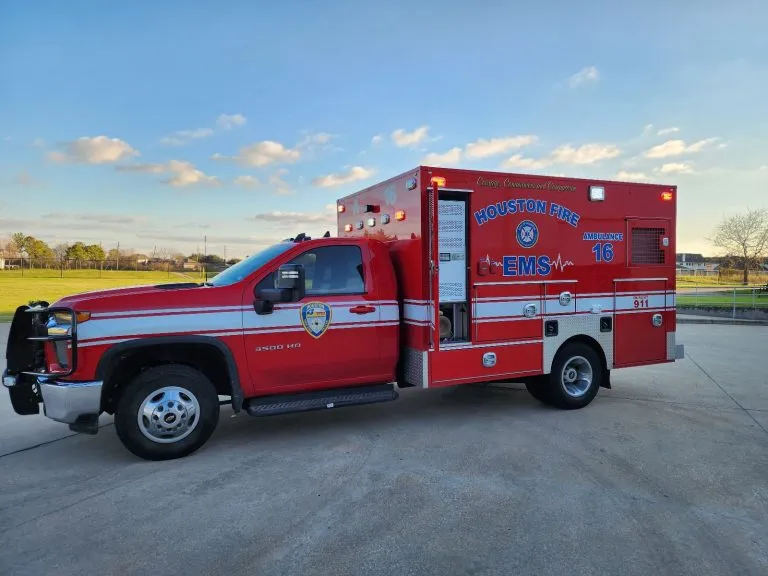
These vehicles aren’t simply transportation; they are essentially mobile medical facilities that need to keep sophisticated equipment running wherever the patient is located. With hPower providing onboard energy and SIMETRY connectivity helping Harrison Hydra-Gen monitor the system remotely, the technology supports a critical link in the chain between an emergency call and definitive care.
Building the Next Generation of hPower
Harrison Hydra-Gen isn’t standing still.
The company is currently redesigning hPower for its next generation, with changes aimed at improving the system’s physical architecture and flexibility, while making even more power
The opportunity extends beyond ambulances.
Harrison Hydra-Gen sees potential in service trucks, heavy-equipment repair vehicles, mobile tire service vehicles, roadside assistance vehicles, telecommunications vehicles, and other mobile work platforms that spend significant amounts of time idling at job sites.
The concept is straightforward: if a vehicle needs power to do its job, and idling creates unnecessary wear and tear, battery power can do the work instead.
And wherever those systems are connected, the need for reliable IoT connectivity grows with them.
Powering What’s Next
Harrison Hydra-Gen has spent more than five decades solving a fundamental problem: how do you bring reliable power to where the work is happening?
With hPower, the company is taking that mission into a new generation; helping emergency-service fleets and other mobile operations reduce idling, lower operating costs, and keep critical equipment running when the engine is off.
Connectivity makes that technology even more valuable.
It gives Harrison Hydra-Gen visibility into systems operating across the country, helps its team identify issues before customers do, and provides the data needed to continually improve the product.
SIMETRY is proud to play a role in making that possible.
As Harrison Hydra-Gen expands hPower into new vehicle types, new power configurations, and new markets, connectivity will remain an important part of the equation.
Because for a company built around delivering mobile power when and where it’s needed, being able to see that power system wherever it goes is the next logical step.
“We can’t do that without being connected. That’s the key.”
Tanner Jacob, Product Designer, Harrison Hydra-Gen
For Harrison Hydra-Gen, that connection is helping turn mobile power into smarter, more proactive power, one vehicle at a time.