Article Contents
Enterprise IoT deployments require more than a reliable data connection. From fleet vehicles and remote assets to surveillance systems and fixed-site equipment, connected devices depend on consistent coverage, secure data transmission, and visibility into network performance.
As deployments grow, managing connectivity can become increasingly complex. Multiple carriers, disconnected vendors, hardware procurement, security requirements, and device-level troubleshooting can create unnecessary work for IT and operations teams.
The right enterprise IoT connectivity solution brings these moving parts together. With multi-carrier connectivity, centralized SIM management, private networking, and dedicated technical support, organizations can simplify fleet operations while building a foundation for long-term growth.

What to Look for in an Enterprise IoT Connectivity Solution
Choosing a connectivity solution requires evaluating more than coverage and data pricing. Enterprise deployments need an approach that supports the entire device lifecycle, from initial provisioning through ongoing management and expansion.
Here are seven factors to consider when planning your deployment.
- Multi-Carrier Connectivity and Coverage
Enterprise fleets rarely operate in one location. Vehicles travel across regions, while fixed-site assets may be deployed in rural areas, industrial facilities, or locations with inconsistent cellular coverage.
Relying on a single carrier can leave devices vulnerable to coverage gaps. Multi-carrier IoT connectivity provides access to multiple cellular networks through a single SIM solution, helping devices connect to an available network as coverage conditions change.
SIMETRY Smart SIM+ provides carrier-agnostic connectivity, allowing compatible devices to access multiple LTE networks through one SIM. This approach can reduce the need to manage separate carrier relationships, swap SIM cards, or deploy different connectivity solutions for different locations.
For organizations managing mobile assets or geographically distributed equipment, multi-carrier connectivity helps simplify deployment planning and provides greater flexibility as coverage needs evolve.
- Centralized SIM and Fleet Management
Managing a handful of connected devices is relatively straightforward. Managing hundreds or thousands of SIMs across multiple locations, carriers, and applications is a different challenge.
Without centralized visibility, teams may struggle to identify unusual data consumption, troubleshoot connectivity problems, or understand how individual devices contribute to overall usage.
A centralized connectivity management platform should provide visibility into:
- Data usage: Monitor consumption by SIM, device, location, or deployment.
- SIM lifecycle management: Provision, activate, and manage SIMs from a central interface.
- Usage alerts: Identify unusual consumption patterns before they create unexpected costs or service interruptions.
- Deployment oversight: Maintain visibility across devices and locations as your fleet expands.
- Operational insights: Use connectivity data to identify recurring issues and opportunities to optimize performance.
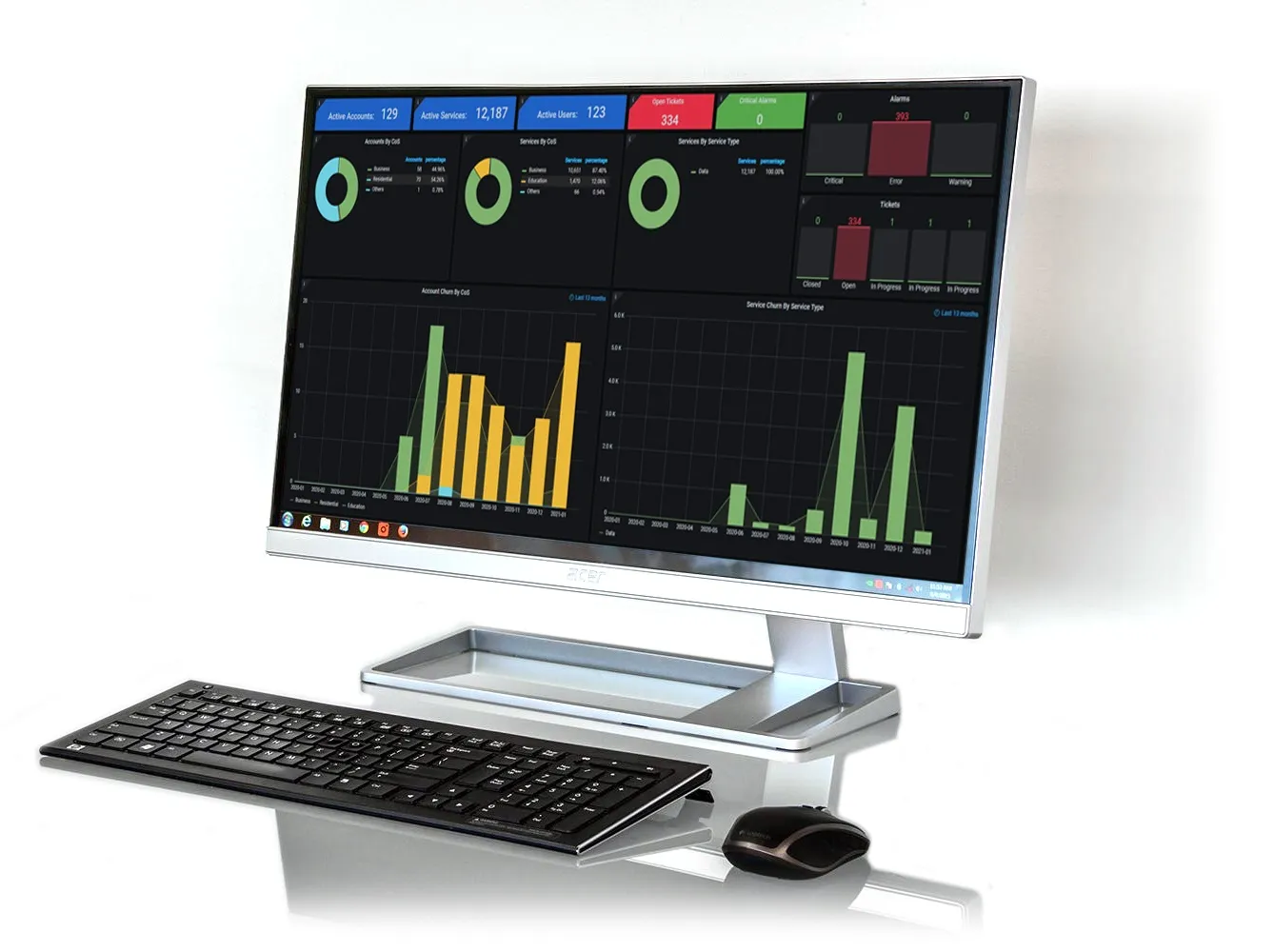
The SIMETRY Platform helps consolidate connectivity management into one place, giving teams a clearer view of their IoT deployments and reducing the burden of managing SIMs individually.
- Security Built for Enterprise IoT
Connected devices frequently transmit sensitive operational information, including GPS coordinates, equipment diagnostics, surveillance footage, and business-critical data.
Protecting that information requires consideration of the entire network path, not just the device itself.
A Private APN (Access Point Name) creates a dedicated network path for device traffic, separating it from the public internet. For enterprise IoT fleets, this can help reduce public internet exposure and simplify network architecture.
Private APN connectivity can also offer operational advantages over architectures that rely on individual IPsec tunnels for every device. Depending on the configuration, avoiding per-device tunneling can reduce additional data overhead and the complexity associated with maintaining separate tunnels.
Additional security and traffic-management measures can strengthen the deployment further. These may include:
- Private network configurations tailored to the application.
- Content filtering to restrict access to unauthorized destinations.
- Application throttling to control bandwidth consumption.
- Network monitoring and troubleshooting support.
- Integration with existing cybersecurity policies and infrastructure.
SIMETRY combines Private APN capabilities with IoT security services and technical expertise to help organizations build connectivity solutions around their operational and security requirements.
The appropriate configuration will depend on your devices, applications, network architecture, and compliance obligations.
- Flexible IoT Data Plans
IoT devices do not all consume data in the same way. A sensor transmitting small amounts of information periodically has very different requirements from a vehicle transmitting continuous telemetry or a surveillance camera streaming video.
A one-size-fits-all plan can lead to unnecessary costs, restrictive data limits, or difficulty accommodating changing usage patterns.
Enterprise IoT data plans should reflect the needs of the deployment, including:
- Individual plans: Assign data allowances to specific devices.
- Pooled data plans: Share a collective data allowance across multiple SIMs.
- Shared data arrangements: Allocate resources across devices or groups according to deployment requirements.
- Utility and pay-as-you-go options: Support applications with variable or intermittent consumption.
- Unlimited plans: Accommodate eligible applications with consistently high data requirements.
The best structure depends on the number of devices, expected consumption, geographic footprint, and the consequences of exceeding an allowance.
SIMETRY builds custom IoT data plans around each customer’s deployment. By aligning plan structures with actual usage requirements, organizations can manage costs more effectively and adapt as devices, locations, and applications change.
- Hardware Procurement and Provisioning
Connectivity is only one component of an IoT deployment. Devices also need compatible routers, modems, gateways, antennas, and accessories to communicate reliably.
Sourcing hardware separately can introduce additional complexity. Teams may need to coordinate multiple suppliers, verify compatibility, manage inventory, and arrange provisioning before equipment reaches the field.
Working with a connectivity partner that also supports hardware procurement can simplify this process.
SIMETRY helps organizations source industrial-grade connectivity hardware and coordinate provisioning alongside their SIMs and data plans. Bringing these requirements together can reduce vendor coordination, streamline deployment preparation, and make it easier to scale standardized configurations across multiple sites.
A more integrated approach also helps ensure that connectivity and hardware requirements are considered together rather than addressed as separate projects.
- Fast Activation and Scalable Deployment
Deployment timelines matter, especially when an organization needs to connect a large fleet, replace equipment, open new locations, or restore service quickly.
Activation delays and manual provisioning processes can slow projects down before devices even reach the field.
An effective connectivity solution should make it straightforward to activate SIMs, configure devices, and bring new locations online.
SIMETRY can activate new SIM cards in 15 minutes or less, helping organizations move from provisioning to deployment quickly.
As fleets grow, coordinated SIM management, hardware sourcing, and technical support can further reduce the administrative burden of onboarding additional devices.
When evaluating a solution, consider not only how quickly a single SIM can be activated, but also how efficiently the entire deployment can be provisioned, tested, and supported at scale.
- Dedicated, 24/7 IoT Technical Support
Even well-designed IoT deployments encounter connectivity challenges. Devices may lose coverage, data usage may change unexpectedly, hardware may need troubleshooting, or network configurations may require adjustment.
When these issues affect business-critical operations, access to knowledgeable technical support is essential.
Generic connectivity support may not have the context needed to diagnose an IoT-specific problem involving a SIM, router, carrier, application, or private network configuration. Having to coordinate several vendors can add further delays.
Look for a connectivity partner that offers:
- 24/7 availability for issues that arise outside standard business hours.
- In-house technical expertise in IoT connectivity and network troubleshooting.
- Engineering and integration support for deployment-specific requirements.
- A dedicated account manager who understands your environment.
- Coordinated service across connectivity, hardware, provisioning, and security.
SIMETRY’s in-house Network Operations Center (NOC) provides 24/7 support for connectivity troubleshooting, engineering, provisioning, and integration needs.
Rather than treating connectivity as an isolated service, SIMETRY works as an extension of your organization, helping your team manage issues, optimize deployments, and keep connected operations moving.
How Multi-Carrier IoT Connectivity Helps Reduce Fleet Downtime
Fleet downtime is not always caused by equipment failure. In many cases, a device becomes unavailable because cellular coverage is inconsistent or a connection cannot be maintained in its current location.
This is particularly relevant for mobile assets that travel across regional boundaries, vehicles operating in rural areas, and remote equipment installed where carrier coverage varies.
Multi-carrier connectivity helps address this challenge by giving compatible devices access to multiple cellular networks through one SIM solution. When network availability changes, devices can use an available supported network according to the SIM and device configuration.
This flexibility can help reduce connectivity gaps without requiring a separate physical SIM for each carrier.
For fleet operators, the benefits extend beyond the initial connection:
- Greater coverage flexibility: Access multiple networks as devices move between locations.
- Simplified hardware management: Reduce the need to maintain separate carrier-specific SIM configurations.
- Improved visibility: Monitor data consumption and connectivity across the deployment.
- Faster troubleshooting: Use centralized information and dedicated support to investigate recurring issues.
- Easier expansion: Add devices and locations without rebuilding the connectivity model from scratch.
Multi-carrier access does not guarantee uninterrupted service. Actual performance depends on local coverage, device compatibility, network availability, and deployment configuration. However, it gives organizations more flexibility when designing connectivity for distributed fleets.
Private APN vs. IPsec: Which Is Right for Your IoT Fleet?
Private APN and IPsec are two approaches used to protect network communications, but they serve different roles.
A Private APN establishes a private connectivity path within a mobile network architecture. IPsec uses encrypted tunnels to protect traffic across IP networks, commonly including the public internet.
The right approach depends on your security requirements, existing infrastructure, and how devices communicate with your applications.
| Consideration | Private APN | IPsec |
|---|---|---|
| Network architecture | Dedicated private path within the mobile network | Encrypted tunnels across IP networks |
| Public internet exposure | Can keep device traffic off the public internet, depending on routing configuration | Can protect traffic sent across public networks |
| Device management | Can simplify network design across a fleet | Per-device tunnel architectures may add configuration and maintenance |
| Data overhead | Avoids additional per-device IPsec tunnel overhead when that tunneling is not used | Encryption and tunnel overhead can increase data consumption |
| Best-fit considerations | Private routing, centralized fleet connectivity, and controlled network access | Encrypted communications across networks where IPsec is appropriate or required |
These approaches are not necessarily mutually exclusive. Some deployments may benefit from combining private connectivity with encryption and other security controls to satisfy specific requirements.
SIMETRY can help organizations evaluate Private APN and network configuration options based on their fleet architecture, application requirements, and security objectives.
Why a Turnkey IoT Connectivity Partner Makes a Difference
Enterprise IoT projects often involve more than one technical requirement. Organizations may need to evaluate carriers, build custom data plans, source hardware, configure private networks, and establish ongoing support processes, all while keeping deployments on schedule.
Managing these functions independently can increase administrative work and make it harder to determine where a problem originates.
SIMETRY brings these capabilities together through a turnkey IoT connectivity approach.
One partner for connectivity, hardware, and security
SIMETRY combines carrier-agnostic Smart SIM+ connectivity, custom IoT data plans, hardware procurement, provisioning, cybersecurity services, and centralized management.
This integrated model helps organizations reduce vendor complexity and coordinate the components of their deployments through one partner.
Connectivity designed around your deployment
Every IoT application has different requirements. SIMETRY works with customers to develop data plans and connectivity configurations suited to their devices, data consumption, coverage requirements, and operational objectives.
Whether you are connecting a mobile fleet, deploying surveillance equipment, or managing remote industrial assets, the goal is to build a solution around how your devices actually operate.
Technical support that understands IoT
SIMETRY’s 24/7 in-house NOC and dedicated account management provide access to IoT-specific expertise beyond the initial activation.
From troubleshooting and provisioning to engineering and integration support, SIMETRY helps customers manage the practical challenges of maintaining connectivity across a growing deployment.
A foundation for growth
As organizations add devices, locations, and applications, connectivity requirements can change. Flexible data plans, centralized management, multi-carrier access, and coordinated hardware support help establish a more manageable foundation for expansion.
SIMETRY is also an operating company of Wireless Logic, connecting customers with a dedicated IoT-focused team backed by a larger global connectivity organization.
The result is an approach that combines hands-on service with the resources to support evolving IoT connectivity needs.
Building a More Reliable Enterprise IoT Deployment
The right enterprise IoT connectivity solution should do more than connect devices. It should help your organization manage data consumption, protect communications, simplify hardware procurement, reduce administrative complexity, and resolve issues when they arise.
When evaluating your options, look beyond the SIM card itself. Consider the complete deployment: coverage, data plans, network security, fleet visibility, provisioning, hardware, and ongoing support.
For organizations managing connected fleets and distributed assets, bringing these elements together can make IoT operations easier to manage and more adaptable as the business grows.
SIMETRY helps enterprises simplify IoT connectivity with carrier-agnostic Smart SIM+, custom data plans, secure networking, hardware procurement, and 24/7 in-house technical support.
Ready to simplify your fleet connectivity? Contact SIMETRY for a customized IoT connectivity solution.
Frequently Asked Questions About Enterprise IoT Connectivity
Enterprise IoT connectivity enables connected devices, such as fleet vehicles, industrial equipment, sensors, and surveillance systems, to exchange data over cellular or other networks. Enterprise solutions typically include connectivity management, security options, data plans, and technical support to help organizations operate connected devices at scale.
A multi-carrier IoT SIM card provides access to multiple cellular networks through a single SIM solution. Depending on the SIM, device, and network configuration, it can allow compatible devices to connect to available supported networks without requiring a physical SIM swap whenever network access needs change.
SIMETRY Smart SIM+ provides carrier-agnostic connectivity designed to support mobile and geographically distributed IoT deployments.
A Private APN establishes a dedicated network path for IoT device traffic and can keep that traffic off the public internet. It can help organizations implement controlled routing and reduce the complexity of managing individual IPsec tunnels when those tunnels are not required. Additional security controls may still be necessary based on the application and compliance requirements.
IoT data plans are designed around the usage patterns and operational requirements of connected devices. They may include pooled data, shared allowances, individual allocations, usage-based options, or plans suited to high-data applications. Custom plan structures can help organizations align connectivity costs with their deployment needs.
Activation time depends on the provider, SIM configuration, and provisioning requirements. SIMETRY can activate new SIM cards in 15 minutes or less, helping organizations prepare devices for deployment quickly.
Enterprises should prioritize 24/7 availability, IoT-specific troubleshooting expertise, engineering and integration assistance, and a clear point of contact. Support that spans connectivity, hardware, provisioning, and network configuration can help reduce the time spent coordinating separate vendors.
Yes. A scalable deployment should support centralized SIM management, flexible data plans, consistent provisioning, and visibility across devices and locations. Multi-carrier connectivity and coordinated hardware sourcing can also help organizations expand while keeping their connectivity operations manageable.